
Off-Grid Hot Water Systems: Solar, Propane, and Wood Options Compared

Hot water isn’t just a luxury, it’s essential for hygiene, comfort, and even survival during harsh winters.
When you live off-grid, your hot water system must be efficient, reliable, and independent of public utilities.
Here’s a breakdown of the three most common off-grid hot water options: solar, propane, and wood.
1. Solar Hot Water Systems
How it works: Solar hot water systems use the sun’s energy to heat water through rooftop panels and a storage tank.
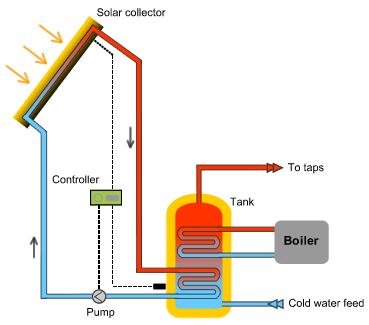
They come in two main types: active (with pumps and controllers) and passive (gravity-fed systems).
Pros:
Free, renewable energy from the sun
Low operating costs once installed
Long lifespan (15–20 years with proper maintenance)
Can integrate with PV systems for complete solar independence
Cons:
Performance drops in cloudy or cold climates
Requires antifreeze systems or drainback to prevent freezing
Higher upfront cost ($2,000–$5,000 DIY, more for professional install)
Best for: Homes with good year-round sun exposure and moderate water demands.
2. Propane Hot Water Systems
How it works: Propane water heaters operate similarly to natural gas units, burning fuel to heat water on demand or in a storage tank.
They’re popular in off-grid cabins and RVs due to their convenience and reliability.
Pros:
Consistent performance in any weather
Quick heat recovery time
Easy to integrate with existing plumbing
Compact and low maintenance
Cons:
Requires ongoing fuel purchases and delivery
Prices fluctuate with fuel markets
Produces emissions (though minimal with efficient units)
Best for: Year-round off-grid living, especially in cold or shaded environments.
3. Wood-Fired Hot Water Systems
How it works: These systems heat water using a wood stove, boiler, or dedicated water heater connected to a thermal tank.
Some designs circulate water through coils around the firebox.
Pros:
Utilizes renewable local fuel (especially if you harvest your own)
Can double as a space-heating solution
Reliable during power outages
Cons:
Labor-intensive (requires chopping and feeding wood)
Difficult to regulate temperature precisely
Needs constant supervision for safety
Best for: Rural homesteads with abundant wood and those who already use wood for heating.
Choosing the Right System
Your ideal setup often blends multiple technologies.
For example:
Solar + Propane: Use solar as the primary source and propane as backup for cloudy days.
Wood + Solar: Perfect for cabins with existing stoves and limited propane access.
Propane + Battery Backup: Reliable for full-time off-grid homes that need steady hot water year-round.
Final Thoughts
When selecting your off-grid hot water system, balance cost, climate, and convenience.
Solar excels in sunny regions, propane offers reliability in all seasons, and wood provides independence when you’re surrounded by nature’s own fuel.
With smart planning, you can enjoy hot showers and clean dishes, without ever relying on the grid.